Judith Slaying Holofernes Caravaggio Masterpiece
- 1.
The Dramatic Moment: Judith Slaying Holofernes in Caravaggio's Vision
- 2.
Caravaggio's Technique: Chiaroscuro and the Art of Darkness
- 3.
The Composition: Three Figures, One Gruesome Act
- 4.
Historical Context: Rome in the Early 1600s
- 5.
The Violence Depicted: Realism Beyond Comfort
- 6.
Symbolism and Meaning: More Than Just Violence
- 7.
Comparison with Other Versions: Gentileschi's Take
- 8.
The Controversy: Why Caravaggio Shocked His Contemporaries
- 9.
Technical Mastery: Brushwork and Color
- 10.
Legacy and Influence: Judith Slaying Holofernes Through the Centuries
Table of Contents
Judith slaying Holofernes Caravaggio
The Dramatic Moment: Judith Slaying Holofernes in Caravaggio's Vision
Understanding the Biblical Narrative Through Baroque Eyes
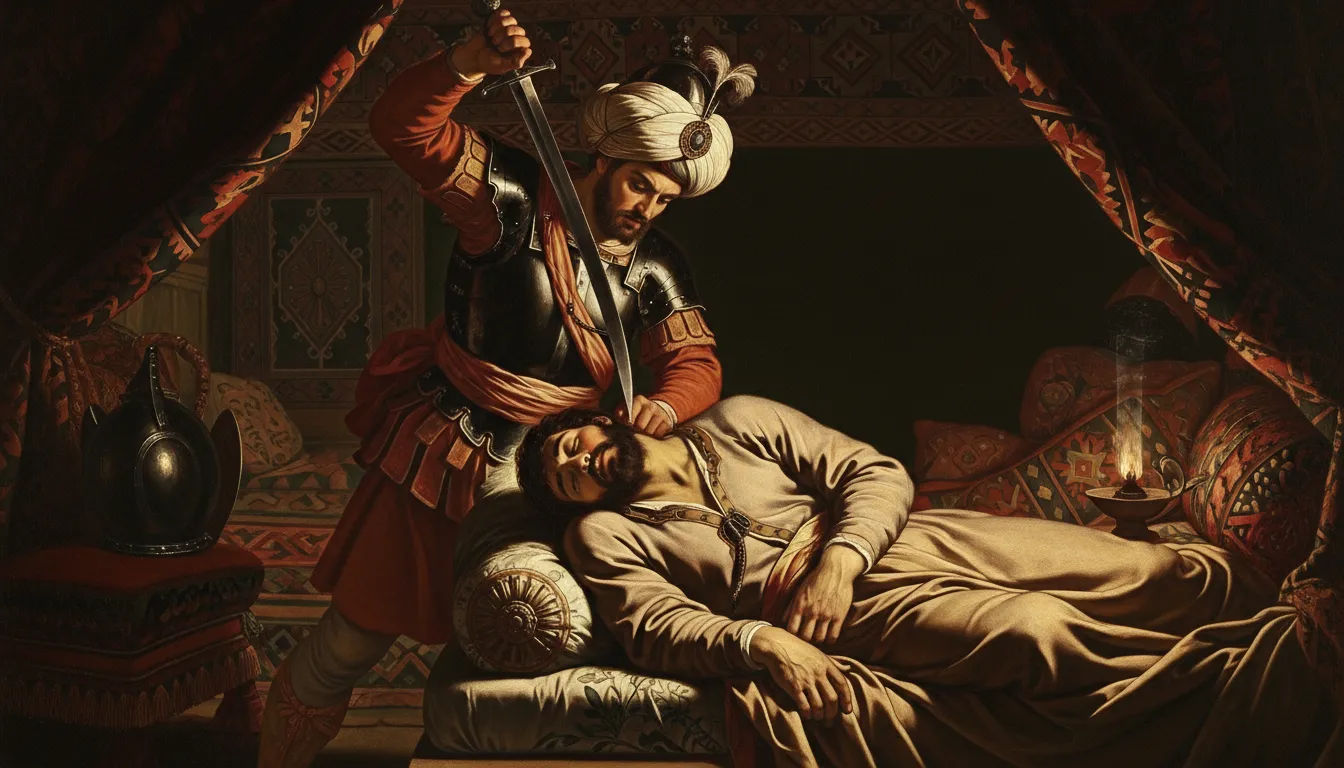
Ever wondered why a biblical story about a widow beheading a general became the talk of seventeenth-century Italy? Judith slaying Holofernes Caravaggio represents one of the most visceral and controversial interpretations of this ancient tale. The artist didn't just paint a scene; he captured the very moment when violence meets virtue, when the blade meets flesh. We're talking about raw, unfiltered drama that makes you wanna look away but you simply can't.
The Book of Judith tells us about a brave Jewish widow who saved her people by seducing and then decapitating the Assyrian general Holofernes. But Caravaggio? He took this story and made it brutally real. The blood spurts, the faces contort, and you can almost hear the squelch. It's not your grandmother's Sunday school illustration, that's for sure.
Caravaggio's Technique: Chiaroscuro and the Art of Darkness
Light and Shadow in Judith Slaying Holofernes
When we examine Judith slaying Holofernes Caravaggio, we're witnessing a masterclass in chiaroscuro—that's the fancy term for dramatic light and shadow. The way light cuts through the darkness like a knife itself, illuminating Judith's determined face while leaving the corners of the room in mysterious gloom. It's bloody brilliant, pardon the pun.
Caravaggio's use of tenebrism created an almost theatrical spotlight effect. The figures emerge from darkness like actors on a stage, frozen in this horrific yet mesmerizing moment. The contrast is so stark that you can feel the tension in every brushstroke. This ain't your average Renaissance softness; this is in-your-face realism.
The Composition: Three Figures, One Gruesome Act
Analyzing the Characters in Judith Slaying Holofernes
Let's break down the cast in Judith slaying Holofernes Caravaggio, shall we? We've got Judith, looking both repulsed and resolute, her arm extended as she does the dirty work. Then there's her maidservant Abra, an older woman who's clearly seen some stuff, holding the sack ready for the grisly souvenir. And poor Holofernes, well, he's having the worst day of his life, innit?
The positioning is genius, really. Judith leans away from the action, creating this psychological distance even as she's physically engaged in the act. It's like she's saying, "I'll do what needs doing, but I don't have to like it." The blood sprays in an arc that's almost beautiful in its horror, defying gravity and good taste alike.
Historical Context: Rome in the Early 1600s
The World That Shaped Judith Slaying Holofernes
To truly grasp Judith slaying Holofernes Caravaggio, we need to understand the world Caravaggio inhabited. Rome in the early seventeenth century was a place of contradictions—religious fervor mixed with street violence, papal grandeur alongside poverty. The artist himself was no stranger to trouble, constantly running from the law and one step ahead of his enemies.
This was the Counter-Reformation era, when the Catholic Church was fighting back against Protestant criticism through art that was emotionally powerful and visually stunning. Judith slaying Holofernes Caravaggio fit perfectly into this agenda—it was a story of faith triumphing over tyranny, virtue defeating vice. But Caravaggio added his own twist, making it uncomfortably real.
The Violence Depicted: Realism Beyond Comfort
Blood, Gore, and Artistic Courage
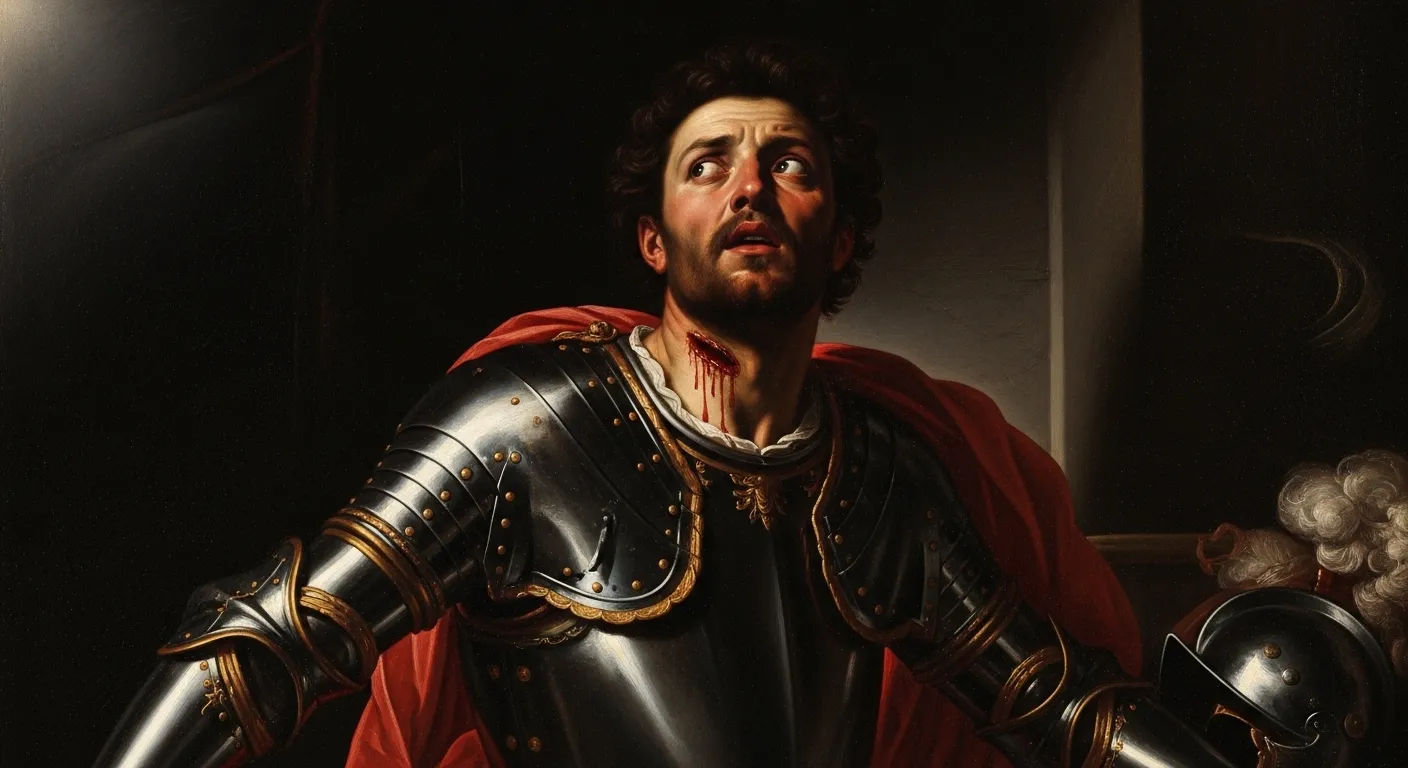
Let's be honest—Judith slaying Holofernes Caravaggio is not for the faint of heart. The blood isn't just a little red splash; it's gushing, squirting, pooling. Caravaggio painted what others only suggested. He showed us the messiness of violence, the way bodies actually look when life leaves them. It's gruesome, yeah, but it's also honest.
Some critics of the time were scandalized. They wanted their biblical heroes looking noble and clean, not covered in arterial spray. But that's the thing about Caravaggio—he painted people as they were, not as we wished them to be. The wrinkled skin, the strained muscles, the look of disgust—it's all there, unvarnished and undeniable.
Symbolism and Meaning: More Than Just Violence
Decoding the Message in Judith Slaying Holofernes
Beneath the gore of Judith slaying Holofernes Caravaggio lies layers of meaning waiting to be unpacked. This wasn't just a scene of murder; it was a statement about power, gender, and divine justice. Judith, a woman, defeats the mighty general—talk about turning the tables. In a patriarchal society, this was radical stuff.
The painting also speaks to the theme of virtue triumphant. Judith represents the faithful community defending itself against oppression. But Caravaggio complicates this by showing the physical cost of such virtue. It's not glorious; it's messy, difficult, and morally ambiguous. That's what makes it so powerful, eh?
Comparison with Other Versions: Gentileschi's Take
Two Artists, One Story, Different Visions
When we talk about Judith slaying Holofernes Caravaggio, we can't help but compare it to Artemisia Gentileschi's version. Both artists used the same biblical story, but the results are markedly different. Gentileschi, who survived sexual assault herself, brought a personal intensity to the subject that's palpable.
While Caravaggio's Judith seems somewhat detached from the violence she's committing, Gentileschi's Judith is fully engaged, putting her whole body into the act. The blood is even more copious, the struggle more evident. Some scholars suggest this reflects Gentileschi's own experience of violence and justice. Both versions are masterpieces, but they speak to us in different voices.
The Controversy: Why Caravaggio Shocked His Contemporaries
Pushing Boundaries in Sacred Art
Let's face it—Judith slaying Holofernes Caravaggio caused quite the stir back in the day. The Catholic Church wanted art that inspired devotion, not art that made you queasy. Caravaggio's insistence on painting from life, using common people as models for sacred figures, was seen as disrespectful by some.
He painted saints with dirty feet and Judith with a look of distaste on her face. This wasn't how holy figures were supposed to look. But here's the thing: by making them human, flawed, and real, Caravaggio actually made the stories more relatable. Not everyone appreciated this approach, mind you. Some patrons refused his work, and he spent much of his life on the run.
Technical Mastery: Brushwork and Color
The Craft Behind Judith Slaying Holofernes
The technical skill displayed in Judith slaying Holofernes Caravaggio is absolutely bonkers. Caravaggio worked directly on the canvas without preliminary drawings, a method called "alla prima." This required incredible confidence and skill. Every stroke had to count, every shadow had to fall just right.
His color palette was relatively limited—earthy tones, deep reds, stark whites—but he used them to maximum effect. The way he rendered different textures is mind-blowing: the softness of skin, the gleam of the sword, the flow of blood, the roughness of the servant's face. It's a masterclass in observation and execution that still inspires artists today.
Legacy and Influence: Judith Slaying Holofernes Through the Centuries
How Caravaggio Changed Art Forever
The impact of Judith slaying Holofernes Caravaggio on Western art cannot be overstated. This painting, along with his other works, launched the Baroque movement and influenced countless artists who came after. The Caravaggisti, as his followers were called, spread his style across Europe.
Today, the painting hangs in the Galleria Nazionale d'Arte Antica in Rome, where visitors still gather to witness its power. It's inspired films, novels, and modern art. If you're keen to explore more masterpieces like this, we'd love for you to visit SB Contemporary Art where we showcase exceptional works. Our Baroque Art collection features similar dramatic pieces, and you might also enjoy reading about The Evolution of Biblical Painting on our blog.
Frequently Asked Questions
What is the difference between Gentileschi and Caravaggio's versions of Judith slaying Holofernes?
The main difference between these two versions of Judith slaying Holofernes Caravaggio and Gentileschi's interpretation lies in the emotional intensity and physical engagement. Caravaggio's Judith appears somewhat detached and fastidious, leaning away from the blood while performing the act with a look of distaste. Gentileschi's version, painted years later, shows Judith fully engaged in the physical struggle, with both women working together to subdue Holofernes. The blood is more copious in Gentileschi's work, and there's a sense of personal vengeance that many scholars attribute to her own traumatic experiences. Both are masterpieces, but they convey different emotional truths about violence and justice.
What is the significance of Judith slaying Holofernes?
The significance of Judith slaying Holofernes Caravaggio extends far beyond the biblical narrative. The story represents the triumph of the weak over the strong, virtue over vice, and faith over tyranny. In the context of the Counter-Reformation, it served as a powerful symbol of the Catholic Church's resistance against Protestant forces. For Caravaggio specifically, it allowed him to explore themes of violence, morality, and human nature in their rawest form. The painting also carries feminist undertones, showing a woman taking decisive action to save her people, challenging traditional gender roles of the early seventeenth century.
What did Caravaggio do that was controversial?
Caravaggio was controversial for numerous reasons beyond Judith slaying Holofernes Caravaggio. He used common people, including prostitutes and beggars, as models for sacred figures, which outraged religious authorities. His paintings were rejected for being too realistic and lacking proper decorum. He lived a violent life, frequently involved in brawls and legal troubles, eventually killing a man in a duel and spending years as a fugitive. His art depicted violence, sexuality, and human frailty with unflinching honesty that challenged the idealized representations common in Renaissance art. Despite—or perhaps because of—this controversy, he became one of the most influential painters in Western art history.
Who was Da Vinci's lover?
While this question isn't directly related to Judith slaying Holofernes Caravaggio, it's worth noting that Leonardo da Vinci's personal life remains a subject of historical debate. He never married and had no known romantic relationships with women. Historical records suggest he had close relationships with male pupils, particularly Salaì (Gian Giacomo Caprotti), whom he took in as a student when the boy was ten years old. Their relationship lasted until Leonardo's death, though the exact nature of their bond—whether romantic, paternal, or mentor-student—continues to be debated by scholars. Unlike Caravaggio, whose turbulent personal life is well-documented, Leonardo maintained greater privacy about his intimate relationships.
References
- https://www.nationalgallery.org.uk/paintings/caravaggio-judith-beheading-holofernes
- https://www.britannica.com/biography/Caravaggio
- https://www.metmuseum.org/toah/hd/crvg/hd_crvg.htm
- https://www.tate.org.uk/art/art-terms/c/chiaroscuro