Best Paint Brushes for Acrylic Paint Pro Tips

Table of Contents
best paint brushes for acrylic paint
Why Brush Choice Matters in Acrylic Painting
Ever tried painting with a toothbrush and called it “avant-garde”? Well, unless you’re splatterin’ Jackson Pollock vibes on purpose, you’re probably makin’ a mess, not a masterpiece. When it comes to best paint brushes for acrylic paint, the tool you pick can seriously make or break your flow. Acrylics dry fast—like, “blink and it’s cement” fast—so a brush that holds the right amount of pigment, releases it evenly, and survives the scrubbin’ without losin’ hairs is worth its weight in gold (or at least in Canadian maple syrup).
We’ve seen folks toss cheap synthetic brushes after one session ‘cause they frizzed out like a bad perm in July. Meanwhile, the right best paint brushes for acrylic paint glide like they’ve got butter on their bristles. So yeah, it ain’t just about paint—it’s about partnership.
Natural vs. Synthetic Bristles: Which Suits Acrylics?
Here’s the tea: natural bristles—think hog hair, sable, or squirrel—are gorgeous for oils and watercolours, but they’re kinda like delicate snowflakes when dipped in acrylics. Acrylic paint is water-based but turns into plastic once dry, and that plastic? It doesn’t play nice with natural fibers. It cracks ‘em, stiffens ‘em, and honestly, kind of ghosts ‘em after the first date.
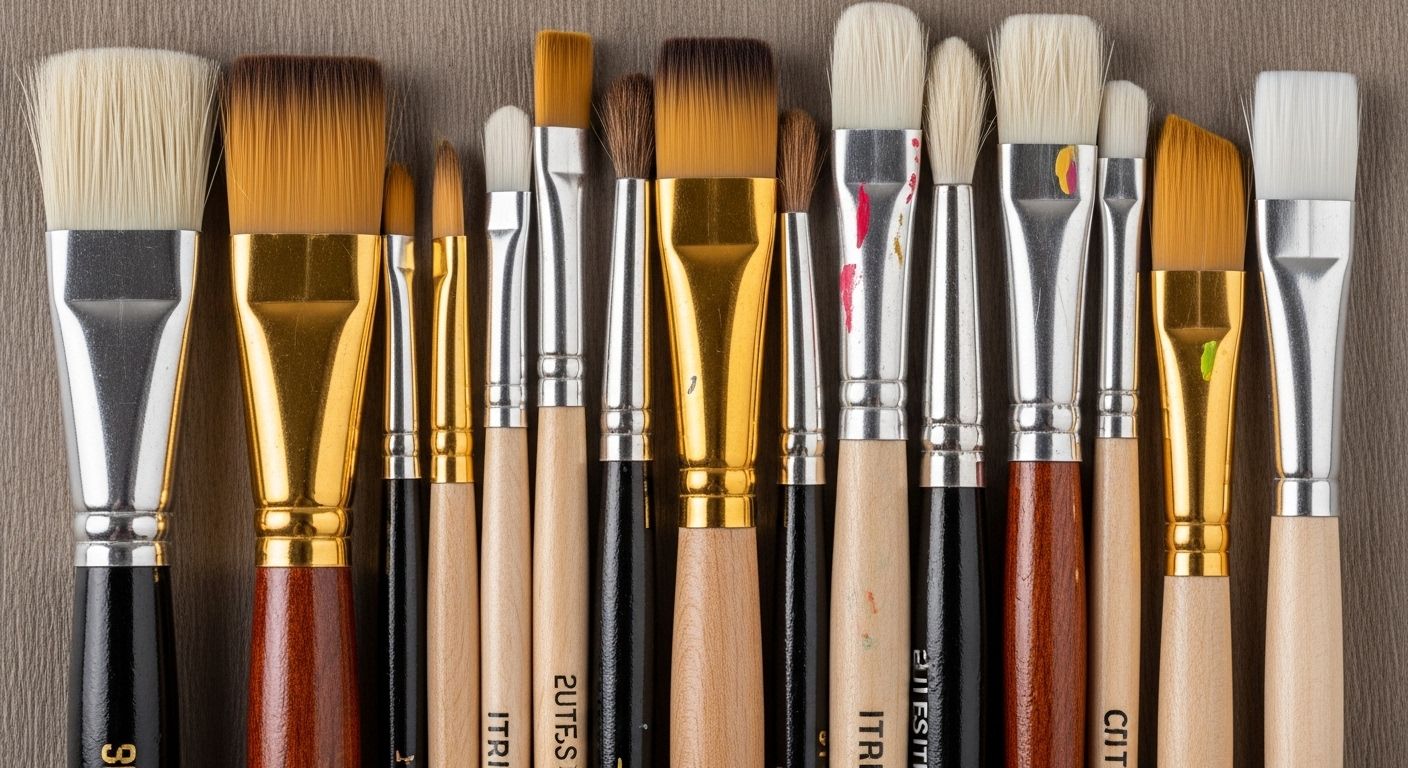
Synthetic bristles, though? They’re the real MVPs for best paint brushes for acrylic paint. Made from nylon or Taklon, they’re tough, flexible, and don’t swell in water. Plus, they bounce back like they just downed a double-double from Tim Hortons. If you’re huntin’ for durability, smooth strokes, and easy cleanup, synthetics are your go-to. Save the sable for your watercolor journal, eh?
Brush Shapes and Their Creative Superpowers
Round, flat, filbert, fan—brush shapes aren’t just for show; they’re like different hockey sticks for different plays. A round brush with a sharp tip? Perfect for detail work and fine lines in your best paint brushes for acrylic paint toolkit. Flat brushes lay down crisp edges and bold blocks of colour—ideal for landscapes or modern abstracts. Filberts? They’re the chill hybrids: rounded edge, flat base, great for soft blending without harsh lines.
And don’t sleep on the fan brush—it’s not for cooling off your studio, but for creating texture like grass, clouds, or that dreamy sunset glow over Lake Louise. Matching shape to intention is half the battle won in acrylic painting.
Size Matters—But Not How You Think
No, bigger ain’t always better. When it comes to best paint brushes for acrylic paint, size is about purpose, not prestige. A size 0 brush might seem tiny, but it’s your secret weapon for eyelashes on a portrait or intricate mandala lines. On the flip side, a size 12 flat brush covers large areas fast—think sky gradients or background washes—before your paint dries into a crunchy mess.
Pro tip: keep a range on hand. We’re talkin’ a mini arsenal from 00 to 14. That way, whether you’re dottin’ stars or blockin’ in a barn, you’ve got the right tool without switchin’ mid-stroke and ruinin’ the vibe.
Top Brands That Canadian Artists Swear By
Not all brushes wear the same flannel. Some brands just get it. In the Great White North, artists keep comin’ back to Winsor & Newton’s Galeria series—synthetic, affordable, and built like a winter-ready pickup truck. Princeton’s Velvetouch line? Smooth as a Montreal jazz riff, with bristles that hold paint like they’re hoardin’ Timbits. And don’t overlook Royal & Langnickel’s Zen series—budget-friendly but punches way above its weight when it comes to the best paint brushes for acrylic paint.
Of course, if you’re splurgin’, Da Vinci’s Casaneo brushes blend German engineering with acrylic-loving synthetics that feel like silk on canvas. Worth every loonie if your art pays the bills—or if you just really love treatin’ yourself.
Care and Keeping Your Brushes Alive
Listen—your brushes ain’t disposable cutlery. Treat ‘em like your favourite pair of winter boots: clean ‘em, dry ‘em, store ‘em right. Acrylic paint dries fast, so if you leave it caked in the ferrule (that metal bit), it’s game over. Rinse immediately in water, then use a mild soap or brush cleaner. Gently massage the bristles like you’re apologizin’ for makin’ ‘em work so hard.
Never soak brushes in water standing up—that warps the handle and loosens the glue. And for the love of moose, don’t leave ‘em in a jar bristle-down. Lay ‘em flat or hang ‘em by the handle. A little TLC keeps your best paint brushes for acrylic paint painting strong for years, not months.
Budget vs. Premium: A Realistic Breakdown
Let’s be real: not all of us are rollin’ in oil-paint-level commissions. But here’s the kicker—you don’t need to blow your whole art budget on brushes to get the best paint brushes for acrylic paint. Mid-range synthetics (think $8–$18 CAD per brush) often outperform both dollar-store disasters and overhyped luxury lines that cost more than your monthly transit pass.
That said, if you paint daily or sell your work, investing in a premium set pays off. Why? Because they last longer, hold more paint, and give smoother application—which means fewer frustrations, fewer retakes, and more time actually creatin’. Think of it like buying a quality canoe: it might cost more upfront, but it won’t sink halfway across the lake.
Brush Sets Versus Individual Purchases
Brush sets look tempting—“10 brushes for $25!” But here’s the rub: half of ‘em might be shapes you’ll never use. Fan brush? Great, if you paint forests. Otherwise, it’s just takin’ up drawer space next to that dried-out tube of cadmium red.
If you’re still explorin’ your style, a starter set of 5–6 core brushes (round, flat, filbert in small/medium/large) is smart. But once you know your go-to moves, buy individually. That way, you stock up on your favourite sizes and replace only what wears out. Custom kits = better value + less clutter. And let’s be honest—your studio’s messy enough without unused brushes litterin’ the place.
Common Mistakes Beginners Make with Acrylic Brushes
Mistake numero uno? Using water like it’s free unlimited data. Too much water thins acrylics into soup, weakens adhesion, and makes colours look washed out. Your brush should be damp, not drippin’.
Mistake two: scrubbin’ like you’re cleanin’ a BBQ grill. Acrylics are tough, but aggressive brushing frays bristles and ruins texture. Use pressure only when needed—most strokes should feel like pettin’ a sleepy cat.
And three? Not cleaning brushes right after. Even a 10-minute coffee break can turn leftover paint into concrete in the ferrule. Treat your best paint brushes for acrylic paint like they’re part of the band—if you don’t, they’ll quit mid-tour.
Where to Buy the Best Brushes in Canada
Whether you’re paintin’ in St. John’s or chillin’ in Vancouver, good brushes are closer than you think. Local art shops like De Serres or Curry’s often carry curated selections and staff who actually paint—so they’ll give real advice, not just sales pitch. Online, Opus and Jerry’s Artarama ship fast and offer reviews that actually help.
And if you’re lookin’ for trusted guidance beyond the big box stores, swing by Sb Contemporary Art for a perspective grounded in real studio experience. Dive deeper into creative tools at the Create section, or explore how acrylic markers complement traditional techniques in our feature on Acrylic Markers Michaels Vibrant Art Tools. No matter where you shop, prioritize brushes labeled “acrylic-specific” or “synthetic” to stay in the best paint brushes for acrylic paint zone.
Frequently Asked Questions
What brushes are best for acrylic painting?
The best paint brushes for acrylic paint are synthetic brushes made from nylon or Taklon fibers. These materials resist water absorption, maintain shape, and handle acrylic’s quick-drying, plastic-like nature without damage. Brands like Winsor & Newton Galeria or Princeton Velvetouch are top picks among Canadian artists.
What kind of brush is best for acrylic paint?
For best paint brushes for acrylic paint, go for synthetic bristles in versatile shapes: round for detail, flat for bold strokes, and filbert for blending. Avoid natural bristles—they degrade quickly with acrylics due to the paint’s chemical composition and fast drying time.
What is the best brush for applying acrylic paint?
The “best” depends on your technique, but generally, a medium-sized synthetic flat or filbert brush offers the most control and coverage for applying best paint brushes for acrylic paint tasks. These shapes distribute pigment evenly and handle layering without dragging or streaking.
Do I need special brushes for acrylic paint?
Yes—you should use brushes specifically suited for acrylics, meaning synthetic bristles labeled for acrylic or multi-surface use. While you *can* use oil or watercolor brushes in a pinch, they won’t last, and your results won’t match the performance of true best paint brushes for acrylic paint designed for this medium.
References
- https://www.winsornewton.com/ca/en/products/brushes/galeria-acrylic-brushes
- https://www.princetonbrush.com/product-category/velvetouch/
- https://www.royalbrush.com/product-category/brushes/zen-series/
- https://www.davinci-brushes.com/en/casaneo-synthetic-brushes